
Lower School
Where Curiosity and Confidence Begin
At KSDS, our Lower School program integrates research with innovative and experiential teaching approaches to create an engaging academic environment for all learners. Our curriculum builds systematically across all subject areas, progressing from foundational skills such as phonemic awareness and number sense to the reading and comprehension of rich novels and multi-step word problems through carefully sequenced, explicit instruction.
In our early grades, students develop fundamental academic and student skills across the curriculum. As they advance, they build proficiency in developing multi-paragraph compositions, mastering mathematical operations, engaging in abstract thinking and analysis, analyzing Jewish texts and making personal connections to Jewish life and traditions, and building their Hebrew language skills and comfort.
We implement modern educational tools and evidence-based strategies ensuring that students reach their full potential. This comprehensive approach to instruction develops confident, capable learners who are well-prepared for the rigorous academic opportunities of KSDS Middle School and beyond.
KINDERGARTEN
Kindergarten at KSDS is a year of joyful discovery, foundational skill-building, and growing independence. Through hands-on learning, engaging stories, and interactive activities, our students build confidence and curiosity across academic disciplines.
Literacy & Language Arts: Our literacy program integrates phonics, spelling, grammar, and comprehension in a structured yet playful way. Using the Heggerty Bridge to Reading program, students master the building blocks of reading, including learning to decode and spell CVC and high-frequency “red words,” blend sounds, and read fluently with understanding. Students work on following directions, and organizing and categorizing language around them. In grammar, students are introduced to sentence structure and very basic parts of speech using The Writing Revolution methodology and other relevant materials. Reading comprehension comes to life through themed book units that promote vocabulary growth and deep/critical thinking. With support, students identify story elements, compare texts, and participate in rich discussions. In addition, students in Kindergarten are introduced to correct formation of lowercase and uppercase letters, numbers, and spacing using the Handwriting Heroes Program.
Math: In Kindergarten, students build a strong foundation in number sense, setting the stage for future math learning. They learn to count, compare, and write numbers, connecting counting to real-world quantities. Through hands-on activities, children explore addition and subtraction within 10, discover different ways to make numbers, and practice early problem-solving strategies. Geometry comes alive as they identify, compare, and build shapes, while measurement and data skills grow through sorting, classifying, and comparing objects. By year’s end, students confidently count to 100 by ones and tens, add and subtract within 5 fluently, and describe shapes and measurements using everyday language—developing the skills and confidence to become enthusiastic young mathematicians.
Science: In Kindergarten, students discover the wonders of the natural world through playful, hands‑on exploration. Children investigate changes in their environment, use their five senses to make observations, compare living and non‑living things, study trees and leaves, experiment with light and shadow, and even explore the fascinating world of dinosaurs. Through simple experiments and interactive activities, young scientists build curiosity, confidence, and foundational scientific thinking. Kindergarten science is a lively, inquiry‑driven experience where curiosity sparks a lasting passion for learning.
Social Studies: The Kindergarten social studies curriculum introduces students to the foundational concepts of citizenship, community, and the world around them. Students begin by exploring Being a Good Citizen/Mensch, learning what it means to actively contribute to their community and country through obeying laws, staying informed, respecting others and their rights, and volunteering to improve society and the environment. Other units of study build key social studies skills and knowledge, including Needs and Wants, Beginning Map Skills, Human and Natural Resources, Community Helpers, and National Symbols. Students also engage with current events and learn about holidays, helping them connect classroom learning to the broader world. Throughout the year, the curriculum emphasizes respect, responsibility, inquiry, and understanding of the people, places, and resources in society.
Hebrew Language: Students are introduced to the Hebrew alphabet and foundational vocabulary through engaging, multisensory experiences. Each week focuses on a new letter and is reinforced through consistent routines like songs, stories, games, crafts, and sensory-based writing activities. Students build early literacy skills by identifying letter sounds in words, practicing letter formation, and participating in phonological awareness activities. Hands-on projects, “show and share,” and storytelling deepen letter-vocabulary connections and spark joyful language learning throughout the year.
Torah: Through storytelling, discussion, and hands-on projects, students explore key narratives such as Creation, the Garden of Eden, Noah’s Ark, and the journeys of our ancestors. Emphasis is placed on understanding that these stories come directly from the Torah and on identifying the Jewish values they teach including kindness, hospitality, and faith. Torah learning is integrated with the Jewish calendar, pausing for holidays and returning to the text with renewed curiosity and connection.
Holidays: Students joyfully explore the Jewish calendar through hands-on experiences that bring each holiday to life. From apples and honey on Rosh Hashanah to planting parsley on Tu BiShvat and building their own mini-sukkot, children learn the mitzvot (commandments), minhagim (traditions), symbols, songs, and stories of each chag. Celebrations include art projects, music, storytelling, and meaningful rituals that help students develop a strong connection to Jewish time and tradition.
Prayer, Community & Values: In Kindergarten Tefillah, students develop comfort and confidence participating in daily prayer. They learn to serve as chazanim (prayer leaders), announcing page numbers and prayer names in Hebrew. Through repetition, singing, and movement, students internalize core tefillot including Modeh Ani, Mah Tovu, Shema, Adon Olam, and Birkat Hamazon. Using visual aids, finger tracking, and Hebrew letter recognition in the siddur, students begin to connect print to prayer and build a joyful Jewish foundation. Students also develop their connection to Israel through songs and symbols.
First Grade
First grade is a year of growth in confidence, independence, and skill. Through a dynamic and nurturing environment, students build foundational literacy, explore their curiosity about the world, and discover the power of their own voice. Our curriculum blends structured learning with creativity, collaboration, and hands-on discovery.
Literacy & Language Arts: Reading instruction in first grade builds on phonics, spelling, fluency, and comprehension. Using the Heggerty Bridge to Reading program, students gain mastery in decoding, encoding, and recognizing complex patterns in language such as consonant digraphs, spelling patterns/rules and vowel teams. Students are also introduced to multisyllable reading strategies. Writing is taught through The Writing Revolution methodology with a grammar focus specifically on what makes a sentence, subjects, predicates, types of sentences, nouns, verbs and adjectives. First graders gain confidence expressing themselves through different types of writing tasks focusing on developing and refining their sentence-level skills. Comprehension is cultivated through read-alouds and discussion-based learning using high-quality texts across fiction and nonfiction, with emphasis on vocabulary growth and deeper understanding. Using the Handwriting Heroes program, students master correct formation of lowercase and uppercase letters, numbers, and spacing. Letter groups are taught by stroke pattern to build fluency and reduce reversals, with an emphasis on applying handwriting skills across subjects.
Students who benefit from an alternative approach receive targeted support through the Orton-Gillingham method—offering a multisensory, structured path to reading and spelling success with work on comprehension and writing embedded into the sequence.
Math: Students strengthen their number sense and grow as confident problem solvers through the Everyday Math Program. They practice addition and subtraction within 20, explore place value with tens and ones, and begin working with larger two-digit numbers. Using hands-on tools such as ten frames, number lines, coins, and clocks, children build fluency while learning to measure, tell time, and represent data with simple graphs. Geometry and fractions come alive as students identify and build 2D and 3D shapes, partition shapes into halves and quarters, and compare attributes. Through interactive lessons that move from concrete to abstract, students connect concepts, strategies, and real-world applications. Students who benefit from an alternative approach receive targeted support through the Orton-Gillingham-based multisensory math method.
Science: In first grade, students deepen their curiosity through hands‑on exploration of the natural world. They investigate the seashore and ocean, explore why objects float or sink, observe the fascinating lives of insects and spiders, plant seeds to watch how they grow, and experiment with simple machines. Through inquiry‑based learning, children practice asking questions, making predictions, and observing cause‑and‑effect relationships in everyday phenomena. First‑grade science nurtures confident young thinkers who learn by exploring, discovering, and experimenting.
Social Studies: The first-grade social studies curriculum focuses on helping students understand their place in the world and how people interact within it. The students explore Me on the Map and basic geography skills, learning how maps help us understand where we are and how we relate to the world around us. In Trimester 2, the focus shifts to Community and Economics, where students examine the roles of consumers and workers, the differences between goods and services, and how people make everyday economic decisions. In the spring, students participate in a research-based State Fair unit, investigating how geography influences lifestyle. Each child studies a specific U.S. state, reading books, gathering facts, and creating projects that answer the essential question: How does where we live change how we live? Throughout the year, students build foundational skills in inquiry, map-reading, critical thinking, and presentation. Students also study national and cultural holidays, helping them make connections between historical events, traditions, and values.
Hebrew Language: Students progress from identifying Hebrew letters and sounds to blending them into simple words and sentences. With each new letter or vowel, they learn related vocabulary and grammatical patterns tied to everyday themes like family, school, animals, and food. The curriculum is rich with speaking practice, interactive activities, and creative expression, helping students grow in fluency and confidence as Hebrew readers and communicators.
Torah: From Creation and the Garden of Eden to the Exodus from Egypt and receiving the Ten Commandments, students journey through the foundational stories of the Torah. Each story is taught in sequence, helping students understand the Torah as a continuous narrative. Through discussion, illustration, and personal reflection, they explore Jewish values like kindness, justice, courage, and faith. Students build meaningful connections with biblical characters and discover how the lessons of the Torah shape the way we live today.
Holidays: 1st grade students deepen their connection to the Jewish calendar by learning the stories, symbols, mitzvot, and traditions associated with each holiday. Through songs, storytelling, hands-on projects, and meaningful rituals, they build familiarity with the reasons we celebrate and the blessings we say. Highlights include building edible sukkot, creating their own Haggadot, making olive oil for Hanukkah, and writing notes for the Kotel. Students emerge with an eagerness to share holiday traditions with their families.
Prayer, Community & Values: Students build on their Kindergarten foundation as they learn to follow and lead parts of the Shacharit service and Birkat HaMazon with confidence and understanding. Through daily practice, students learn the order of the prayers, develop fluency with key tefillot like Modeh Ani, Shema, Baruch She’amar, and Adon Olam, and begin exploring their meaning. Highlights include learning new melodies and preparing for the special milestone of Hagigat HaSiddur, when each student receives their very own prayerbook. 1st grade students deepen their Israel connection through additional stories and songs.
Second Grade
In second grade, students move from learning to read toward reading to learn, expand their writing skills, and explore the world around them through deeper inquiry. Our second-grade program nurtures curiosity, creativity, and a solid academic foundation.
Literacy & Language Arts: In reading and spelling, students continue building phonics, fluency, and vocabulary. They master long vowels, vowel teams, diphthongs, syllable patterns, and spelling rules like the doubling rule and -ed endings. They learn to read multisyllabic words more effortlessly and efficiently. Through writing and grammar instruction, students learn to craft more sophisticated sentences and beginning paragraphs using The Writing Revolution methodology. They simultaneously build their grammar toolbox—including additional parts of speech, greater focus on sentence structure and single paragraph outlines, all embedded into reading and writing practice. Reading comprehension is woven into each unit using mentor texts, magazines or articles, and novel studies. Students develop both narrative and expository comprehension by analyzing character traits, comparing texts, and engaging in cross-genre reading. They participate in structured book clubs and learn how to unpack directions and respond to what they are reading, showing their depth of understanding. In addition, students in second grade learn cursive handwriting.
Students who benefit from an alternative approach continue to receive targeted support through the Orton-Gillingham method—offering a multisensory, structured path to reading and spelling success with work on comprehension and writing embedded into the sequence.
Math: In second grade, students deepen their understanding of place value and base ten, build fluency with addition and subtraction within 20, and begin working with two- and three-digit numbers using strategies like regrouping and making tens. They explore equal groups to lay the groundwork for multiplication, measure and estimate using standard units, and solve word problems with increasing complexity. Using hands-on tools such as number lines, coins, clocks, and manipulatives, they practice telling time, working with money, and representing data with graphs and line plots. Geometry and fractions expand as children analyze 2D and 3D shapes, identify attributes, and partition shapes into halves, thirds, and quarters. Students who benefit from an alternative approach receive targeted support through the Orton-Gillingham-based multisensory math method. Accelerated students work with math material that is a grade-level ahead.
Science: In second grade, students deepen their understanding of how the world works through hands‑on investigations and meaningful observation. They explore temperature and fire safety, examine physical and chemical changes, track weather patterns, and experiment with sound and vibration to see how energy moves. Through simple experiments and cause‑and‑effect exploration, children strengthen critical thinking skills and build a solid foundation in key scientific concepts. Second‑grade science encourages curiosity, confidence, and a growing sense of how science connects to everyday life.
Social Studies: Exploring People, Places, and Cultures is the focus of the second-grade social studies curriculum as students journey through time, place, and perspective. They build foundational map skills, learning to use cardinal and intermediate directions while exploring landforms and the ways geography shapes communities and cultures. Through stories from around the world, students compare Cinderella tales from diverse countries and regions, discovering how traditions, customs, and cultural perspectives influence storytelling. They also research a notable individual and explore the country connected to that person’s life and contributions, strengthening research, geography, and presentation skills. Highlights include a whimsical Fractured Fairy Tale Gala and an exciting field trip to the Baltimore Museum of Industry, where students connect classroom learning to the history of innovation and community. By the end of the year, students will have a deeper understanding of geography, culture, perspective, and the important role individuals play in shaping our world.
Hebrew Language: Students strengthen their fluency in reading and writing while expanding vocabulary and grammar through engaging, real-life themes. They begin writing in Hebrew script, practice present-tense verb conjugation, and explore topics like food, school, weather, and family through structured conversations, short texts, and role-play. Reading comprehension and oral expression are emphasized alongside thematic vocabulary tied to holidays and stories, laying the foundation for future Torah and prayer fluency.
Torah: In 2nd grade Chumash, students begin reading directly from the Torah text, focusing on stories from Lech Lecha through Chayei Sarah. They learn to navigate the chumash using Hebrew terms like sefer (book), parashah (portion), perek (chapter), and pasuk (verse), while exploring values like chesed and tzedek through the lives of Avraham, Sarah, and their family. Students build personal connections to the text through discussion, home connections, and hands-on activities that make Torah learning meaningful and accessible.
Holidays: Students learn to distinguish between minhagim (customs) and mitzvot (commandments), uncover the historical and spiritual origins of each chag, and participate in engaging projects that bring the holidays to life. From tasting Tu BiShvat fruits to comparing Purim and Pesach traditions, they revisit the Jewish holidays with growing depth, and explore their themes, mitzvot, and personal relevance.
Prayer, Community & Values: Second graders build on the tefillot learned in first grade while adding new prayers, including sections of Hallel, Ashrei, and additional parts of Birkat HaMazon. Students deepen their understanding of the structure and meaning of each prayer while developing confidence as prayer leaders and active participants in classroom and communal tefillah. Families are invited to join a special Rosh Chodesh tefillah, where students have the opportunity to share their learning of Hallel. Connections to modern Israel come alive through activities with our shinshinim – visiting young adult Israelis.
THIRD GRADE
Third grade at KSDS is a year of transformation. Students take major strides toward independence as readers, writers, scientists, and thinkers. With increased opportunities for critical thinking, creativity, and collaboration, the KSDS curriculum empowers students to engage deeply with content while building confidence in their abilities.
Literacy & Language Arts: Third graders explore the power of stories and informational texts through a rich blend of novels, short stories, biographies, and historical fiction. Using a thematic, integrated approach, students study texts like Because of Winn Dixie, Charlotte’s Web, and The Orphan of Ellis Island while developing comprehension strategies such as identifying text structure, summarizing, and using textual evidence to support inferences. Writing is guided by The Writing Revolution (TWR), teaching students to construct strong sentences, organize their thinking with paragraph outlines, and revise their work.
Students build their understanding of the English language through explicit morphology instruction based on Anglo-Saxon roots and targeted grammar lessons.
Math: Students strengthen their conceptual understanding and problem-solving skills. They build confidence working with all four operations—addition, subtraction, multiplication, and division—while deepening their understanding of place value through 10,000. Multiplication and division are explored through arrays, fact families, and word problems. Fractions become central as students represent fractions on number lines, compare and order them, generate equivalents, and begin adding and subtracting with like denominators. Geometry and measurement skills grow as students classify shapes, calculate perimeter and area, and measure with increasing precision in both metric and customary systems. Students who benefit from an alternative approach receive targeted support through the Orton-Gillingham-based multisensory math method. Accelerated students work with math material that is a grade-level ahead.
Science: In third grade, students expand their scientific curiosity through hands‑on experiments and real‑world investigation. They explore the laws of motion, study the properties of rocks and minerals, learn how early American pioneers used scientific principles in everyday life, examine diverse animal biomes, and uncover the mysteries of magnetism. Through observation, experimentation, and critical thinking, students develop a deeper understanding of how science shapes both the natural world and human innovation. Third‑grade science inspires discovery, problem‑solving, and a growing appreciation for how science connects to daily life.
Social Studies: The overarching theme of the third-grade social studies curriculum is journeys—not only the physical movement of people, but also the movement of ideas, cultures, and communities across time and place. Students explore key concepts in geography, history, citizenship, and community, gaining a deeper understanding of how people have shaped—and been shaped by—the world around them. They build geographic literacy, investigate the causes and impact of slavery and the Civil War, and extend their learning with a visit to the B&O Railroad Museum, where they examine the Underground Railroad and the railroad’s role in the pursuit of freedom and equality. Students also trace America’s westward expansion, including the Oregon Trail and the experiences of Native peoples. A unit on immigration invites students to explore the diverse paths that brought people to the United States. As part of this study, students research their own family histories, learning how personal stories connect to broader patterns of migration and cultural identity. A yearlong study of influential women in history fosters research and presentation skills, culminating in a Living Museum event where students bring historical figures to life. Throughout the year, they examine how people, cultures, and ideas shape communities, and how these movements influence identity and society.
Hebrew Language: With a growing grasp of grammar including verb conjugation, adjectives, and prepositions, students are empowered to express themselves more clearly and confidently in both spoken and written Hebrew. They develop independent cursive writing skills, read longer texts with more complex sentence structures, and build vocabulary tied to real-life themes such as community, health, family, and travel.
Torah: In third grade, students explore the lives and moral challenges of the Avot and their families, from Yaakov and Esav to Yosef and his brothers. They build skills in textual comprehension, Hebrew vocabulary, and navigating the structure of the Chumash. With an emphasis on character development, leadership, and middot (values), students analyze how Torah figures grow and change and reflect on how these lessons apply to their own lives. Students also begin learning Pirkei Avot, gaining a foundational understanding of the Mishnah and exploring its timeless teachings about character, relationships, responsibility, and Jewish values.
Holidays: Third graders explore Jewish holidays with deeper context and growing analytical skills. They examine symbols, mitzvot, and historical background, while learning to ask and respond to open-ended questions. With a focus on abstract thinking, students draw connections between holiday themes such as freedom, identity, and change, as well as their own experiences. Celebrations are enriched through projects, Hebrew vocabulary integration, and deeper classroom discussion around meaning and tradition.
Prayer, Community & Values: Students grow as leaders and active participants in prayer. They strengthen their comfort with the weekday Shacharit and Kabbalat Shabbat services and complete their learning of Birkat HaMazon, including its Shabbat variations. Students lead portions of tefillah with increasing independence, culminating in a student-led Kabbalat Shabbat service. They also explore the structure, choreography, and meaning behind key prayers, deepening both their understanding and connection to communal tefillah.
FOURTH GRADE
Fourth grade is a year of deeper exploration, critical thinking, and independence. Students apply what they’ve learned in previous years to tackle more complex concepts across reading, writing, science, and the world around them. Through inquiry, creativity, and collaboration, they grow as confident learners and thoughtful citizens.
Literacy & Language Arts: Fourth grade students continue strengthening their reading, writing, grammar, and spelling skills. Students explore a variety of texts, including powerful novels like Number the Stars, My Brother Martin, and Bud, Not Buddy, building their critical reading and thinking skills. Writing is guided by The Writing Revolution (TWR), teaching students to construct strong sentences, organize their thinking with paragraph outlines, and revise their work. Students write across genres, including narrative, descriptive, informative, persuasive, and research-based writing. At the conclusion of their unit on Alexander Hamilton, fourth graders write their first multi-paragraph essay derived from multiple sources.
Students continue to build their understanding of the English language through explicit morphology instruction based on Greek roots and targeted grammar lessons.
Math: In fourth grade, students expand their math skills with a strong focus on multi-digit operations, fractions, and decimals. They use place value understanding to perform addition, subtraction, multiplication, and division, while also exploring factors, multiples, and prime numbers. Fraction knowledge grows as students compare, order, add, subtract, and multiply fractions, as well as connect them to decimals through the hundredths place. Geometry and measurement come alive through calculating perimeter and area, classifying shapes, and using protractors to measure and draw angles. Students move from concrete practice to abstract reasoning—building confidence, fluency, and problem-solving skills that prepare them for advanced math. Students who benefit from an alternative approach receive targeted support through the Orton-Gillingham based multisensory math method.
Science: In fourth grade, students strengthen their scientific thinking through hands‑on inquiry and real‑world investigation. They study pollution in the Chesapeake Bay and its environmental impact, experiment with electricity and circuits, explore the science behind forensics and crime scene analysis, and dive into the wonders of astronomy. Through engaging activities and meaningful applications, students develop a deeper understanding of scientific principles and how they help us solve problems, protect our environment, and explain the universe.
Social Studies: Fourth grade social studies focuses on Maryland’s geography, history, and people. Students build map skills, study the five themes of geography, and explore how human choices shape the environment—especially through the lens of the Chesapeake Bay. A field trip aboard the USS Sigsbee deepens their understanding of the Bay’s role in Maryland’s development and ecology. Students then explore the region’s First People, early European exploration, and colonization, including John Smith’s voyages and the founding of Jamestown. Through primary sources and hands-on activities, they examine settlement challenges, relationships with Indigenous peoples, and the beginnings of slavery. Students also share their learning during Chesapeake Bay Night, a special annual event where they showcase their research and projects with their families. The year continues with a study of the 13 colonies, daily life across social classes, and the causes and ideals of the American Revolution. A visit to Historic London Town brings the colonial era to life through hands-on exploration. The year concludes with an introduction to civics where the students explore key documents like the Declaration of Independence, Constitution and the Bill of Rights as well as the 3 branches of government. Throughout the year, students also study all 50 U.S. states and capitals, strengthening their geographic knowledge.
Hebrew Language: Through real-life themes including family trips, after-school activities, and Jewish holidays, students practice verb conjugation in present and past tense, build descriptive writing skills, and engage in storytelling and project-based learning. Hebrew becomes a language for expression, creativity, and connection to Jewish culture and values.
Torah: Fourth grade Torah study focuses on the journey of the Jewish people from slavery to nationhood through the Book of Exodus. Students examine the text through themes of leadership, justice, and identity and learn to define and apply concepts like heroism, symbolism, and community. They build skills in Biblical Hebrew, text comprehension, and citation, and bring stories to life through creative projects and thoughtful discussion about how the Torah’s lessons apply to modern challenges.
Holidays: Students learn to chant holiday-specific tefillot, identify key rituals, and reflect on the values each holiday teaches. They make personal connections to ancient traditions and modern Jewish identity, understanding their role in carrying forward Jewish memory, leadership, and celebration.
Prayer, Community & Values: In fourth grade, students grow as prayer leaders, building fluency with weekday and Shabbat services and gaining independence with holiday tefillot. They take increasing responsibility for leading morning tefillah, developing confidence, accuracy, and a stronger sense of ownership over communal prayer. Students also develop personal connections to tefillah, learn the choreography and structure of the Torah service, and lead selections from the siddur and holiday prayer books with growing independence. Israel education continues through exploration of important Jewish/Israeli calendar experiences, including ceremonial leadership opportunities for 4th graders.
PROJECT + GRADE HIGHLIGHTS
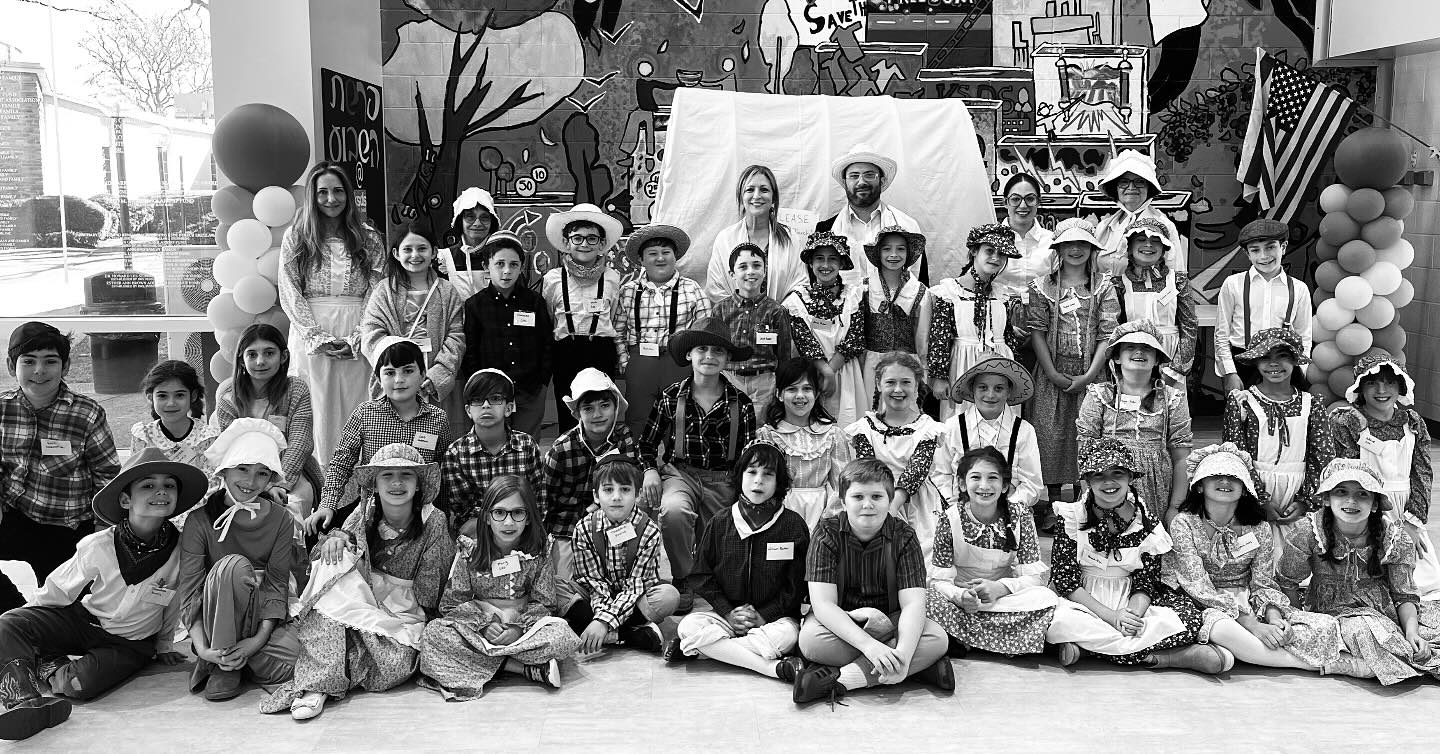
3rd Grade Apple Valley Simulation
A tradition in 3rd grade is “traveling back in time” to visit the Apple Valley School. Through role play and exploration, our students develop empathy, critical thinking skills, and a …
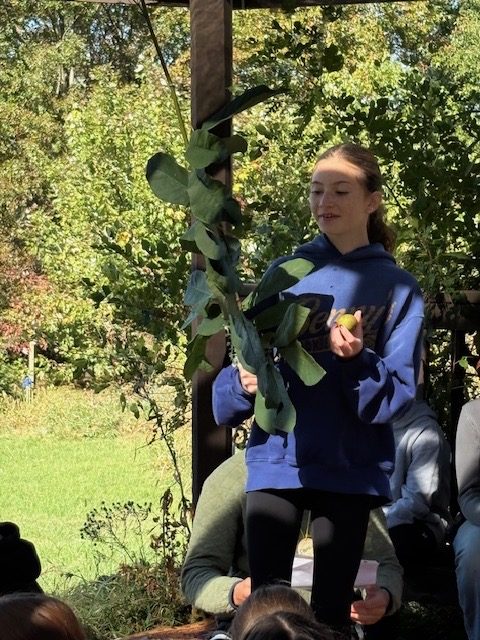
4th Grade Etrog Seed Planting Activity
In fourth grade, students learn about an ancient seed and experience the parts of the etrog that we don’t usually see. In this interdisciplinary activity, students plant their own seeds …
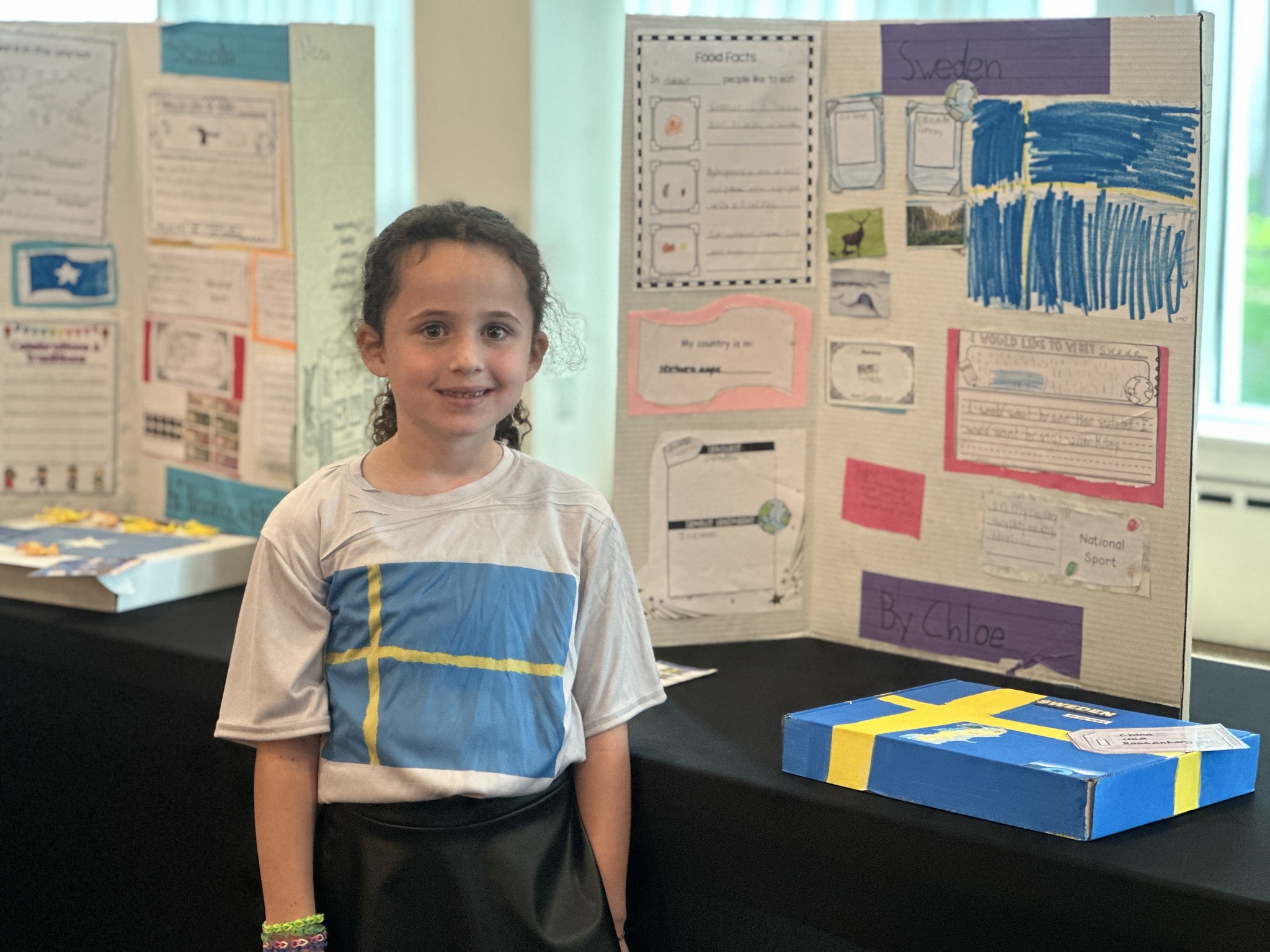
1st Grade State Fair
KSDS first graders embark on a journey across the United States with our State Fair program! Each week, students bring home a new state topic to explore with their …